SIPLUS 6AG1 vs Standard 6ES7 Order Numbers
How Siemens SIPLUS 6AG1 order numbers map to standard 6ES7 base parts, why extended-temperature ET 200SP modules differ, and how to identify spares.
Why SIPLUS and standard order numbers get confused
Siemens builds two closely related families of automation hardware from many of the same underlying designs. The standard line carries order numbers that begin with 6ES7, while the ruggedized SIPLUS line — hardened for wider temperature ranges and harsher atmospheres — carries numbers that begin with 6AG1. Because a SIPLUS module and its standard sibling often share the same footprint, the same terminal layout, and much of the same middle digits, it is easy to read one number and assume it is the other.
For anyone identifying a spare on a running machine, that assumption is the single most common source of a mis-recorded part. This guide explains how the two numbering schemes relate, how to trace a 6AG1 number back to the standard 6ES7 base it is built on, and how to keep the two straight when you record a part for an inquiry form. The examples focus on ET 200SP distributed I/O modules, where the 6AG1131 series makes the pattern especially clear.
Reading the 6AG1 prefix
An order number is a structured identifier, not a random string. The leading block tells you the product category and the line it belongs to. 6ES7 marks a standard SIMATIC part; 6AG1 marks a SIPLUS extended variant. The digits that follow describe the module family, its channel count and signal type, and a hardware or firmware revision field.
The practical rule is narrow but reliable: the prefix identifies the family, while the complete number — read from the module label or the engineering project — is what pins down the exact variant. Do not try to decode every middle segment from memory. Siemens reuses digit positions across families, and a segment that means one thing on a digital input module can mean something else on an analog one. Treat the prefix as a category signal and confirm the rest against the physical label. Our broader part-number identification guide walks through how these blocks are read across the wider Siemens range.
Mapping a 6AG1 number back to its 6ES7 base
SIPLUS parts are derived from a standard base design, so most 6AG1 numbers have a recognisable 6ES7 counterpart. A structured way to find it:
- Write down the full 6AG1 number exactly as printed, including the trailing segment after the final dash.
- Note the core middle block — the family and channel descriptor — which SIPLUS generally keeps aligned with its standard base.
- Consult the Siemens SIPLUS datasheet, which lists the standard 6ES7 base each SIPLUS item is built from. This mapping is documented by Siemens rather than inferred.
- Confirm the match against the physical label and, where possible, the engineering project export, so the revision field lines up as well.
- Record both numbers together in your spare-part notes so a future identification does not start from scratch.
The key discipline is that the mapping is documented, not guessed. Two numbers can look almost identical yet describe different environmental ratings, so the datasheet cross-reference is the step that makes the like-for-like match trustworthy.
Worked example: the ET 200SP 6AG1131 series
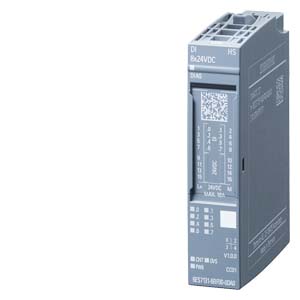
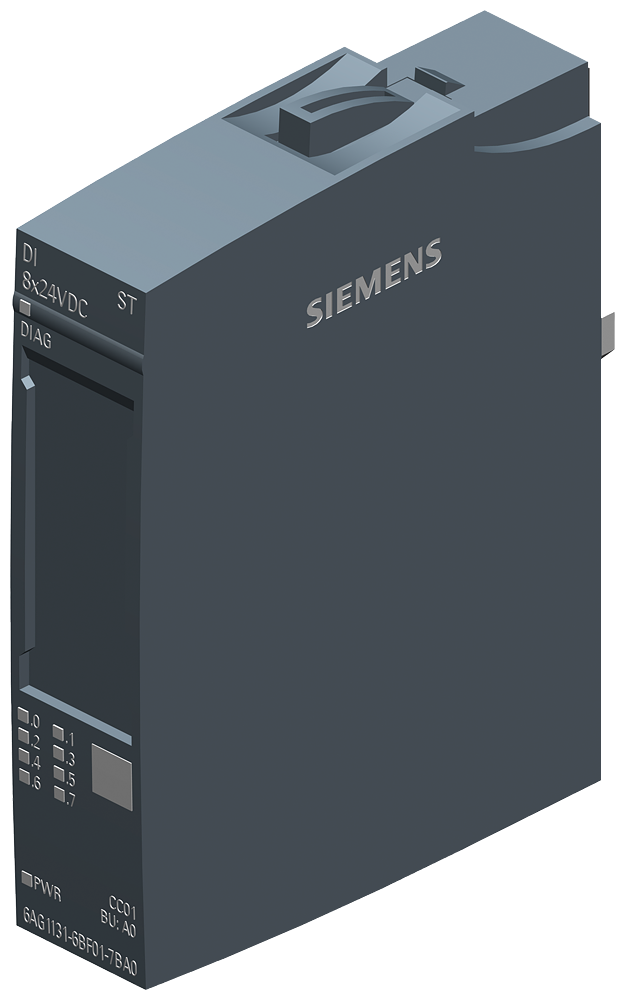
The 6AG1131 group covers SIPLUS versions of ET 200SP digital input modules. Reading several members side by side shows how small changes in the descriptor and trailing segments correspond to different variants of the same base family:
All five share the 6AG1131 family root, which tells you they belong to the same ET 200SP input-module group. The differences sit in the descriptor block (for example the shift from 6BF to 6BH or 6CF) and in the trailing segment after the dash. Those changes generally reflect a different channel count, a different electrical characteristic, or a different hardware revision. Resist the urge to assign an exact meaning to each digit from memory — confirm the intended variant against the module label and the Siemens datasheet, then treat the model-specific number as the authority. Our ET 200SP module identification guide covers how these ET 200SP descriptors are read in more detail.
When SIPLUS is specified for harsh environments
SIPLUS is chosen when a standard module would sit outside its rated operating envelope. The extended construction is documented for conditions such as:
- Wider ambient temperature ranges, including sub-zero starts and elevated cabinet temperatures.
- Conformal-coated boards that resist condensation, humidity, and airborne contaminants.
- Higher tolerance to corrosive or dusty atmospheres found in mining, marine, and outdoor installations.
- Increased resistance to mechanical vibration and biologically or chemically active substances.
If a machine was engineered for one of these conditions, the original build almost certainly specified the 6AG1 part on purpose. Recording a standard 6ES7 number in its place would describe a module built to a narrower environmental rating than the installation was designed around.
Avoiding mix-ups when identifying spares
Most confusion comes from reading a number too quickly. A few habits keep SIPLUS and standard parts distinct:
- Read the whole prefix first. If it starts with 6AG1 it is SIPLUS; if it starts with 6ES7 it is standard. Never shorten the number to just the family root.
- Photograph the module label rather than transcribing by hand — a single wrong character changes the variant.
- Match the recorded number against the engineering project or a documented datasheet before you rely on it.
- When a machine sits in a demanding environment, expect the SIPLUS 6AG1 line and verify rather than assume the standard part.
These steps matter because SIPLUS and standard modules are not interchangeable on the label alone; the correct like-for-like item is the one the original design documented.
Documenting the exact number before you inquire
The most useful thing you can do before reaching out is capture the complete, unabbreviated order number together with the SIPLUS-or-standard distinction. A number recorded as "6AG1131 series" is not enough to identify a single variant; the full string, including the trailing segment, is what makes a model-specific match possible. Cross-checking against the machine's documentation, as set out in our procurement checklist, closes the loop before an item is listed on the catalog for review.
Once you have the exact 6AG1 or 6ES7 number in hand, send it through the inquiry form or reach us through the contact page. Sharing the full order number, the machine context, and the environmental conditions lets the technical team confirm the correct variant instead of working from a partial identifier.