PLC Spare Parts Procurement Checklist
A practical procurement checklist for MRO teams: critical spares lists, planning notes, condition terms, supplier vetting, and urgent requests.
Why a Checklist Beats Reacting
Reviewing PLC spares under pressure almost always costs more and risks the wrong part arriving. A repeatable procurement checklist turns spare-parts review into a planned activity. The goal is simple: the right part, verified against the installed system, before you need it. The steps below give MRO teams a framework to work through.
Build a Critical Spares List
Start by deciding what to document for each critical spare, not just what to document when something fails. For each PLC asset, rank components by failure impact and sourcing difficulty:
- Controllers and CPUs running production-critical lines.
- Communication and network modules that, if lost, isolate a system.
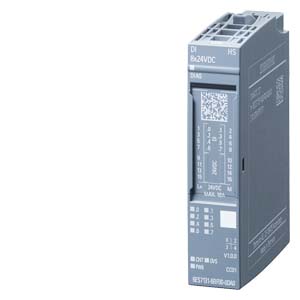
- High-channel-count or hard-to-source I/O modules.
- Power supplies and chassis with difficult sourcing paths.
Map each item to its exact part number, revision, and quantity. A documented list is the foundation everything else builds on. You can cross-reference candidates against the product catalog as you compile it.
Plan Sourcing Paths
Sourcing paths vary enormously between current and legacy parts. Build planning around that variation:
- Record typical review and sourcing notes for each critical item.
- Set minimum planning thresholds for difficult or unpredictable supply.
- Flag end-of-life components for earlier or larger review cycles.
- Review the list on a fixed schedule, not only after a failure.
Define Condition and Service Terms
Decide, per item, whether new-condition, refurbished, or either is acceptable and write it down. For critical controllers, new-condition or fully tested hardware is usually justified; for non-critical I/O, tested refurbished units can be cost-effective. Whatever the condition, review:
- Functional testing scope before shipment.
- Service terms and what they cover.
- Return and exchange policy.
Vet Your Suppliers
A reliable supplier is part of your spares strategy. Look for clear part identification, willingness to review revision details before response, transparent condition grading, and responsive communication. Suppliers who support repair, testing, and exchange workflows add resilience for legacy platforms where new-condition hardware requires extra review. Consistency over time matters more than a single structured request.
Handle Urgent and Bulk Orders
Even with good planning, emergencies happen. Prepare for both ends of the spectrum:
- Urgent orders — keep part numbers and a supplier contact ready so a line-down request goes out in minutes, not hours. Provide a photo of the label and the need-by time immediately.
- Project procurement — when refreshing spares across many assets, consolidate part numbers and submit one structured inquiry rather than submitting scattered requests.
Put the Checklist to Work
A procurement checklist is only useful if it drives action. Document your critical spares, confirm part numbers, and line up a supplier before the next maintenance window. When you are ready, send an inquiry with your part list, or contact our team for help building or validating your spares strategy.
Add Engineering Context to the List
A useful checklist should connect purchasing data with engineering data. The part number tells the supplier what model to review, but the plant context explains why the part matters. Add columns for line name, cabinet, chassis, slot, module role, firmware note, and whether the item affects a critical process. This does not require exposing sensitive plant logic. It simply gives the reviewer enough context to avoid treating every line item the same way.
For example, a processor in a main control cabinet, a spare digital input card for a non-critical panel, and a communication module linking a remote I/O rack should not be described with the same short note. Each has a different role. The checklist should make that role visible so the response can be organised by technical importance.
Separate Planned Review From Urgent Review
Maintenance teams often mix long-term planning items with urgent restoration requests. Keep those tracks separate in the same workbook. Planned review lines can include target maintenance windows, revision preferences, and documentation notes. Urgent review lines should move the exact model number, label photo, destination, quantity, and system impact to the top of the request.
This structure helps procurement work faster without creating confusion. It also gives management a better view of which items belong to strategic spare planning and which items are tied to immediate plant pressure. Over time, the list becomes a living record rather than a one-time request.
Review the List on a Schedule
Critical spare lists lose value when they are only updated after a fault. Assign an owner, set a review cycle, and check whether modules have been consumed, moved, repaired, or retired from the system. Add notes when a production line changes, a cabinet is upgraded, or a module family is phased out. The goal is to keep the document close enough to the real plant that it can be trusted during a maintenance event.
A scheduled review also improves search and catalog use. When the list already contains exact part numbers, the team can search the catalog quickly, compare product families, and submit a structured inquiry without rebuilding the record under pressure.
Keep Communication Records Clean
When a request is sent, keep the response tied to the original line item. Do not merge several similar modules into one email thread without a table. Record any condition note, testing note, documentation note, and follow-up question in the same row. This keeps future users from guessing why a previous decision was made.
The best procurement checklist is not just a buying tool. It is a shared technical record that helps maintenance, engineering, and purchasing use the same facts when a PLC or DCS part needs review.